
The Difference Between Traditional Stucco and Synthetic (EIFS)
People searching for the difference between traditional stucco and synthetic (EIFS) often want to choose the right finish, and local contractors can help by providing expert installation options.
Understanding the difference between traditional stucco and synthetic (EIFS) is an important step for property owners exploring exterior finishing options. Whether updating an existing façade or planning a new installation, knowing the practical distinctions can help in making informed decisions that align with specific project needs. Many property owners in the area consider these options to enhance curb appeal, improve energy efficiency, or address durability concerns. By exploring the specifics of each type, they can better evaluate which material might be the most suitable for their property’s unique requirements.
Local contractors who specialize in stucco and EIFS installations are equipped to help navigate these choices, ensuring the right application for each project. Traditional stucco offers a classic, textured finish with proven longevity, while synthetic (EIFS) provides a more seamless, versatile surface that can be tailored to various aesthetic preferences. Keep reading to understand the key differences and benefits of each, and discover how experienced service providers can assist in achieving a durable, attractive exterior that meets individual property goals.
- Traditional stucco installation services are suitable for projects where a durable, textured exterior finish is desired, with local contractors applying established methods to ensure long-lasting results. Synthetic (EIFS) stucco installation is often chosen for buildings requiring enhanced insulation and a smooth, modern appearance, with service providers customizing solutions to meet these needs. When homeowners seek a classic, rustic look, local pros can recommend traditional stucco, emphasizing its proven performance and aesthetic appeal. For structures needing energy efficiency improvements, synthetic (EIFS) installation offers added insulation benefits, with local contractors expertly installing systems tailored to specific building requirements. Both types of stucco services involve assessing the building’s structure and environment to determine the most appropriate approach for each project.
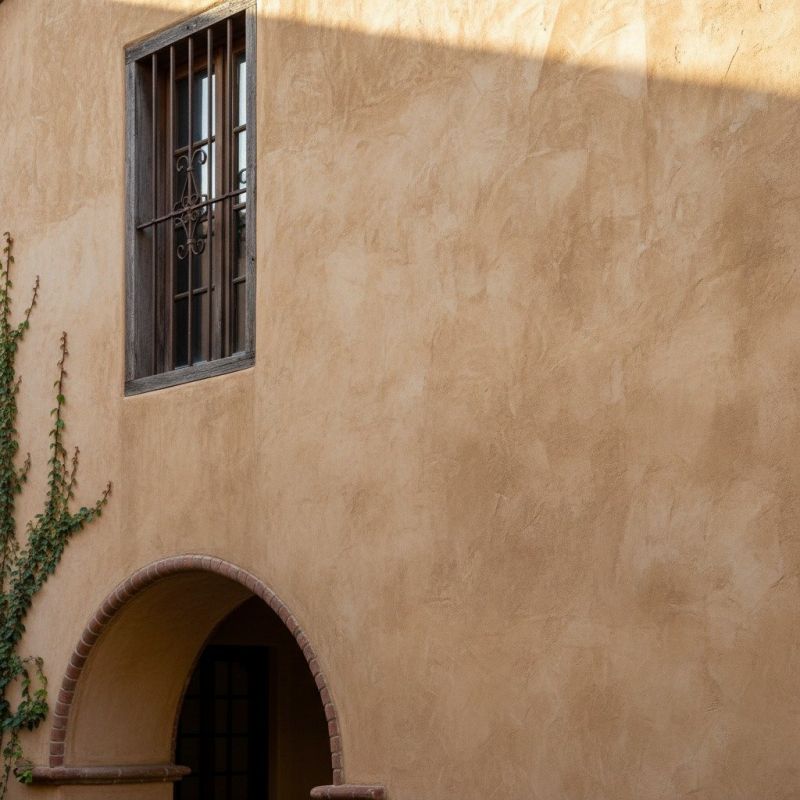
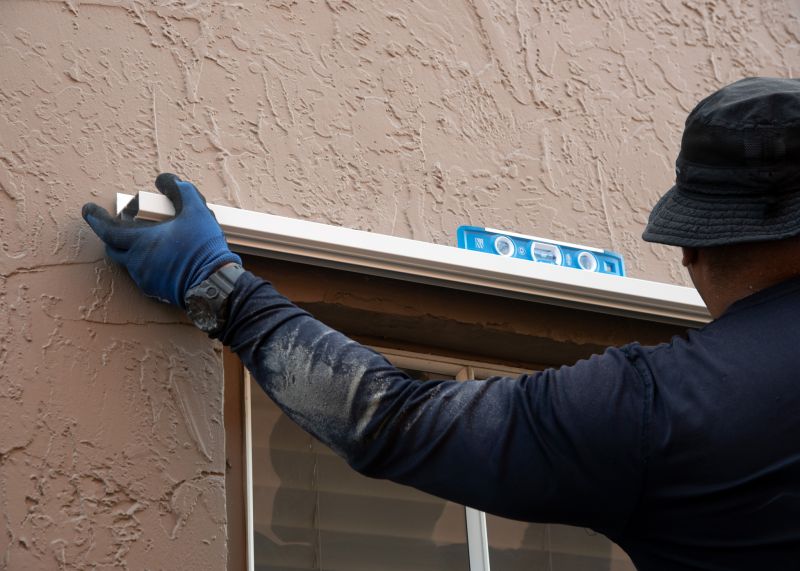
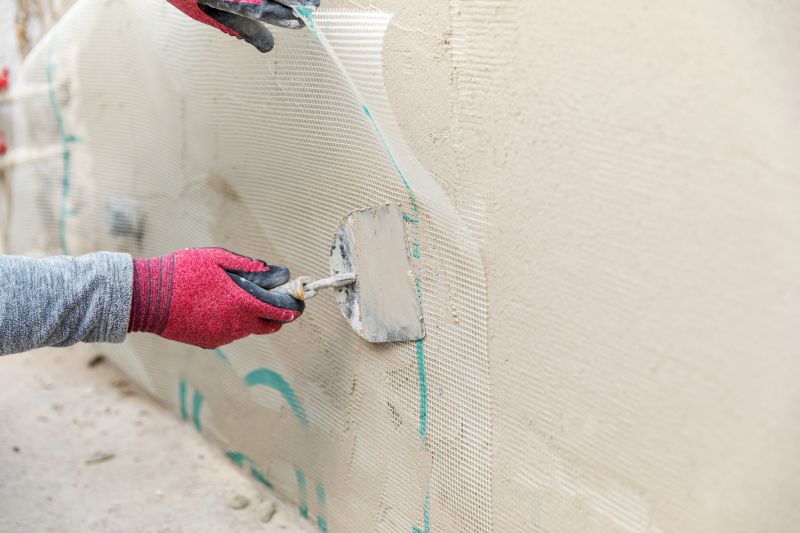
When homeowners search for information about the difference between traditional stucco and synthetic (EIFS), they are often trying to understand which exterior cladding option best suits their property and project goals. This topic typically comes up during planning for new construction, remodeling, or repair projects where durability, appearance, and cost are key considerations. Many property owners are looking to improve curb appeal, increase energy efficiency, or address issues like cracking or water intrusion. Understanding the fundamental differences helps them evaluate which material aligns with their property's needs and how local contractors specializing in stucco installation can assist in achieving a successful outcome.
The difference between traditional stucco and synthetic (EIFS) is rooted in their composition, application methods, and performance characteristics. Traditional stucco is a cement-based material applied in multiple coats directly onto a wall surface, creating a hard, durable exterior that has been used for centuries. In contrast, synthetic (EIFS) is a modern, layered system that involves a foam insulation board covered with a thin, synthetic finish. This makes EIFS lighter and more flexible, often providing better insulation properties. Property owners considering these options should think about factors like climate, building type, and aesthetic preferences, which influence the suitability of each system. Local service providers experienced in both types can help evaluate these factors and recommend the best approach.
The types of properties that typically come up in discussions about traditional stucco and synthetic (EIFS) include residential homes, commercial buildings, and multi-family complexes. Many homeowners with older or historic houses consider traditional stucco for its classic appearance and proven durability. Meanwhile, newer or energy-efficient buildings often lean toward EIFS because of its insulation benefits and ability to achieve smooth, modern finishes. Property managers and developers may also look at EIFS for large-scale projects where energy savings and design flexibility are priorities. Local contractors who specialize in stucco installation can guide property owners through the process of selecting and installing the right system for their specific property type, ensuring the exterior meets both aesthetic and functional expectations.
Understanding the differences between traditional stucco and synthetic (EIFS) helps homeowners make informed decisions about their exterior projects. Whether the goal is to enhance curb appeal, improve insulation, or address existing issues, knowing the strengths and limitations of each material is essential. Local service providers with experience in both systems can evaluate a property’s unique needs and recommend the most appropriate solution. They can also handle the installation process, ensuring that the chosen material is applied correctly and performs as intended. This connection to local pros makes it easier for property owners to find qualified help and achieve a durable, attractive exterior that aligns with their project goals.
Exterior wall cladding projects - professionals experienced in stucco and EIFS can handle a variety of exterior wall coverings, ensuring proper application and durability.
Facade renovation services - updates to building exteriors often require skills in both traditional and synthetic stucco systems to improve appearance and weather resistance.
Insulation and waterproofing projects - contractors skilled in EIFS installation can provide insulation benefits alongside moisture barriers for energy-efficient exteriors.
Architectural feature installations - decorative stucco elements and textured finishes rely on similar planning and application techniques as traditional and synthetic stucco systems.
Commercial building exteriors - large-scale projects involving stucco or EIFS require expertise in surface preparation and material application for long-lasting results.
Repair and restoration services - local contractors can assess and restore existing stucco or EIFS surfaces, addressing issues like cracking or water intrusion effectively.
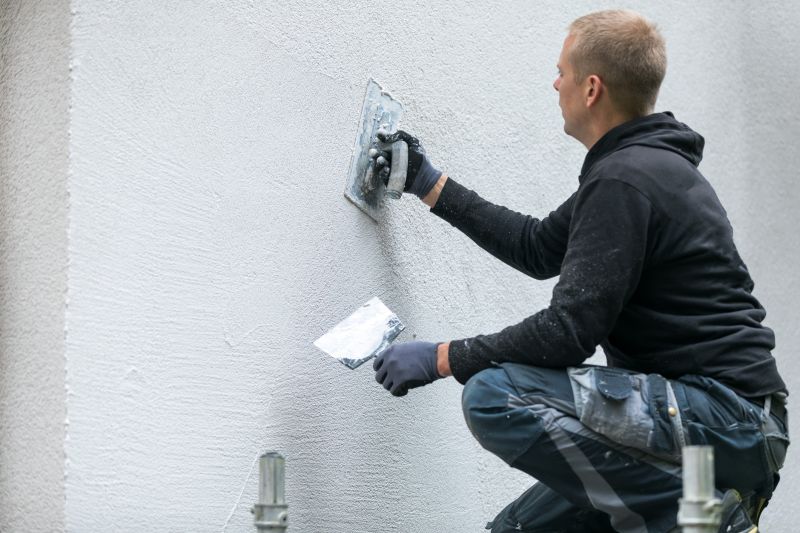
When comparing contractors for traditional or synthetic stucco installation, experience with similar projects is a key factor to consider. Homeowners should seek out service providers who have a proven track record working with both types of stucco systems, as this indicates familiarity with their unique materials, application techniques, and potential challenges. Contractors with relevant experience are more likely to understand the differences between traditional stucco and synthetic (EIFS), ensuring that the chosen system is installed correctly and performs as intended over time.
Clear, written expectations are essential when evaluating local contractors for stucco work. Homeowners should request detailed proposals that outline the scope of work, materials to be used, and the steps involved in installation. This transparency helps prevent misunderstandings and provides a basis for comparing services. Understanding what each contractor includes in their process allows for more informed decisions, especially when considering the specific requirements and benefits of traditional versus synthetic stucco systems.
Reputable references and effective communication are vital components of a successful project. Homeowners should inquire about past clients who had similar stucco applications and seek feedback on the quality of work and professionalism of the service providers. Good communication, including prompt responses to questions and clear explanations of options, can significantly impact the overall experience. Choosing local contractors who prioritize transparency and maintain open lines of communication can help ensure that the project proceeds smoothly and meets expectations.
Get a Quote for Traditional Or Synthetic Stucco Installation
Property owners often search for the difference between traditional stucco and synthetic (EIFS) when they are planning practical projects around their homes and businesses. Local pros provide Traditional or Synthetic Stucco Installation services for everyday jobs and straightforward project options.
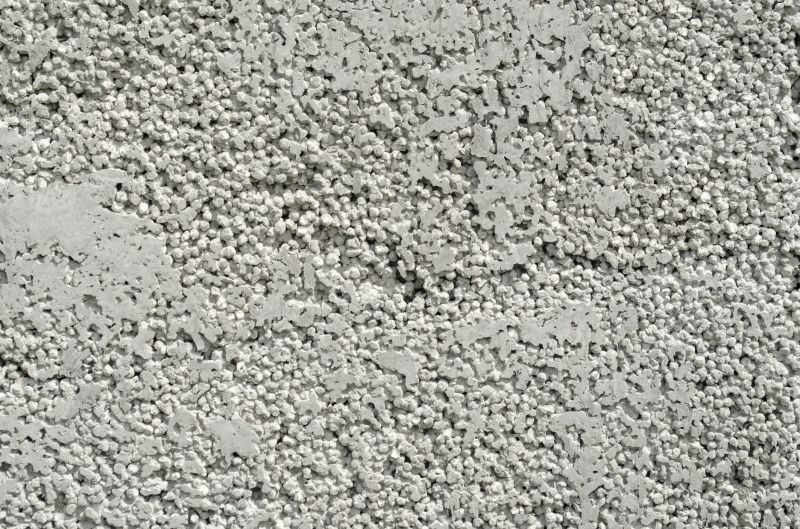
Understanding the difference between traditional stucco and synthetic (EIFS) can help property owners make informed decisions when considering exterior wall finishes. Traditional stucco is a cement-based material that has been used for decades, offering a durable and classic appearance. It is typically applied in multiple coats directly onto the exterior surface, providing a solid, textured look that can withstand various weather conditions. On the other hand, synthetic (EIFS) is a more modern, lightweight alternative that involves a layered system with foam insulation and a synthetic finish. It often provides better insulation properties and a smoother appearance, making it appealing for those looking to improve energy efficiency or achieve a specific aesthetic.
For property owners exploring options, understanding these differences can clarify which type of stucco might suit their project needs. Local contractors who specialize in both traditional and synthetic stucco installation can assess the specific conditions of a property and recommend the most appropriate solution. Whether aiming for a traditional, textured exterior or a sleek, insulated finish, these service providers can help determine the best approach based on the building’s requirements and the owner’s preferences. Consulting with experienced local pros ensures that the chosen stucco system is properly installed, maximizing its benefits and enhancing the property's curb appeal.
Get a Quote for Traditional Or Synthetic Stucco Installation
What is the main difference between traditional stucco and synthetic (EIFS)? Traditional stucco is a cement-based material applied in multiple coats, offering durability and a textured finish. Synthetic (EIFS) uses a lightweight polymer-based system with insulation and a smooth or textured exterior, providing better insulation properties. Local contractors can help determine which system suits specific building needs.
How do traditional stucco and synthetic (EIFS) compare in terms of appearance? Traditional stucco typically has a textured, rough surface, while synthetic (EIFS) can be finished with a variety of textures or smooth surfaces, offering more design flexibility. Service providers can advise on aesthetic options for each type.
Are there differences in installation requirements between traditional stucco and synthetic (EIFS)? Yes, traditional stucco installation involves multiple plaster coats directly onto a lath, whereas synthetic (EIFS) includes installing insulation boards, a base coat, and a finish coat. Local pros can ensure proper installation practices for each system.
Which type of stucco is better for insulation purposes? Synthetic (EIFS) generally provides superior insulation due to its integrated foam insulation layer, making it more energy-efficient. Contractors can assess building needs to recommend the best option.
Can traditional stucco and synthetic (EIFS) be applied to the same building? While they can be used on different parts of a building, they are typically not mixed in the same application. Local service providers can evaluate the structure and suggest appropriate systems for each area.
Assessing durability needs - Property owners can consider the long-term wear and weather resistance of traditional stucco versus synthetic (EIFS) when planning exterior renovations with local contractors.
Choosing insulation options - Homeowners might explore the insulation benefits of synthetic (EIFS) to improve energy efficiency, with local pros providing installation guidance.
Matching aesthetic preferences - Individuals can decide between the textured look of traditional stucco or the smoother finish of synthetic (EIFS) for their property, with local service providers helping achieve the desired style.
Evaluating maintenance requirements - Property owners can compare the upkeep needs of both systems to select the best option, with local contractors offering advice on upkeep and repairs.
If you are thinking about the difference between traditional stucco and synthetic (EIFS) for a property, this guide is meant to help you understand this topic, the typical project types, and how different options might fit your plans.
When you are ready, you can use the quote form on this page to share a few details about your project. From there, local pros can review the basics and follow up with options that match what you have in mind.
Get a Quote for Traditional Or Synthetic Stucco Installation